
ON BROADWAY NOV 2 80 PERFORMANCES ONLY

Here There Are Blueberries is proud to present “Widening the Lens,” a series of post-show conversations throughout its Broadway engagement.
Featuring survivors, historians, scholars, ethicists, and leading voices, these moderated discussions invite audiences to look more deeply at the history, themes, and complex questions raised by the play—and to consider their resonance today.
Conversations take place immediately following select performances. A ticket to that performance is required for attendance.
“Widening the Lens” is curated by Tectonic Theater Project in collaboration with the Here There Are Blueberries Content and Conversation Partner, FASPE (Fellowships at Auschwitz for the Study of Professional Ethics), and the United States Holocaust Memorial Museum.
Moderators and speakers are subject to change.
Thursday, November 12 • 1:00 PM Matinee
The Most Dangerous Animal
Anderson Cooper with Irene Weiss

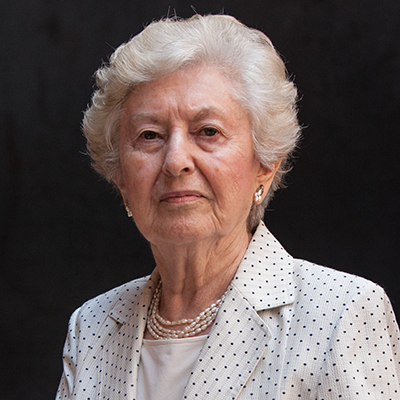
Anderson Cooper, the acclaimed CNN anchor and award-winning journalist, reunites with Irene Weiss, the Auschwitz survivor he first interviewed for his 2024 “60 Minutes” story on Here There Are Blueberries. Weiss and her family arrived at Auschwitz on the very day many of the photographs in the Lili Jacob Album were taken - and she can be identified among the people pictured in them. Together, Cooper and Weiss confront what it means to look at photographic evidence of humanity at its most extreme: the persistence of memory, the inheritance of trauma, and what these haunting images reveal about our capacity for cruelty and survival.
Sunday, November 15 • 3:00 PM Matinee
THE DETECTIVES OF HISTORY
FAITH SALIE with REBECCA ERBELDING, MOISÉS KAUFMAN & AMANDA GRONICH
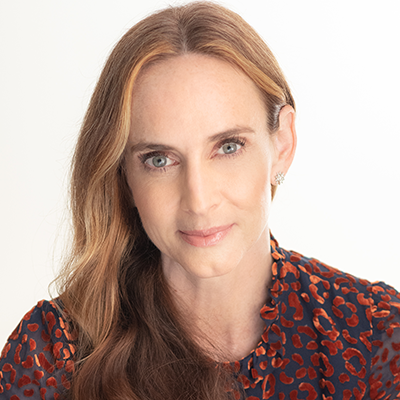
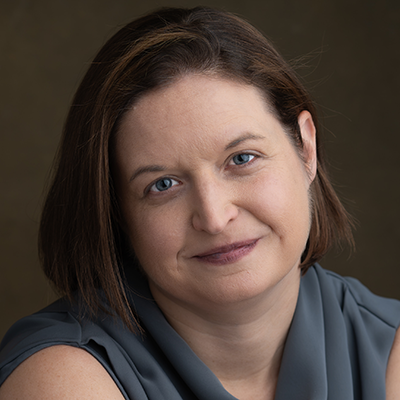
Emmy Award®-winning “CBS Sunday Morning” contributor Faith Salie brings together the historian at the center of Here There Are Blueberries with the artists who transformed her extraordinary investigation into theater. Dr. Rebecca Erbelding’s painstaking work at the U.S. Holocaust Memorial Museum to identify the people pictured in the Höcker album became the foundation of the play. Joined by playwrights Moisés Kaufman and Amanda Gronich, Erbelding takes us inside the discoveries, dead ends, interviews, and unanswered questions that shaped their years-long investigation – and the moment historical evidence became a human story onstage.
Thursday, November 19 • 7:00 PM
Presented with FASPE
POWER AND RESPONSIBILITY
AMBASSADOR SAMANTHA POWER with DAVID GOLDMAN
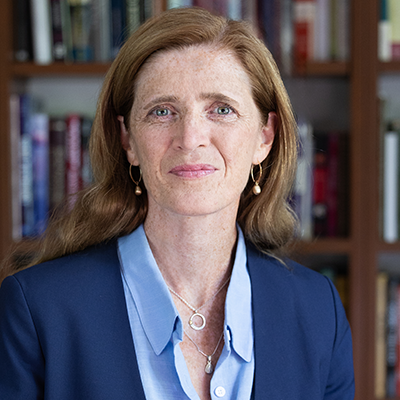
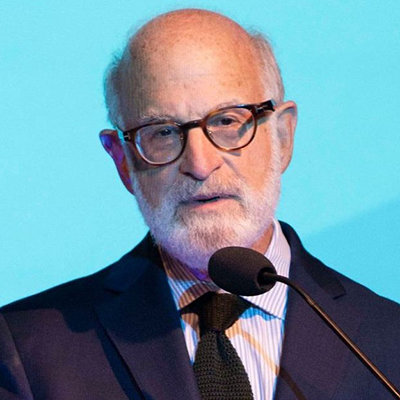
What happens to individual conscience inside institutions of enormous power? David Goldman, founder and chair of FASPE (Fellowships at Auschwitz for the Study of Professional Ethics), sits down with Samantha Power—former U.S. Ambassador to the United Nations, Administrator of USAID, Pulitzer Prize-winning author, and one of the world’s leading voices on human rights. Drawing on decades of work inside and outside government trying to mobilize action, Power examines one of the most urgent questions raised by Here There Are Blueberries: How do ordinary people navigate the distance between bystanding and upstanding—and how can we overcome willful blindness and a creeping habituation to injustice?
Wednesday, December 2 • 7:00 PM
Presented with FASPE
FAITH, CONSCIENCE, & COMPLICITY
REV. DR. WILLIAM J. BARBER II and JONATHAN WILSON-HARTGROVE with DAVID GOLDMAN
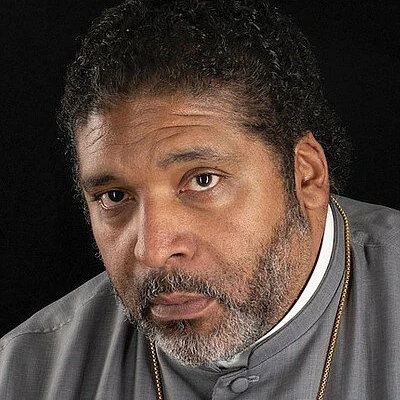
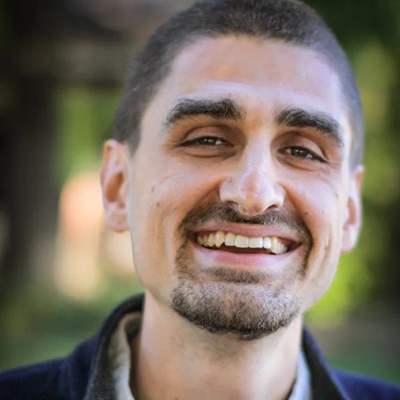
When injustice is in plain sight, is standing by a moral choice? FASPE (Fellowships at Auschwitz for the Study of Professional Ethics) founder David Goldman brings together Rev. Dr. William J. Barber II–pastor, civil rights leader, and architect of the contemporary Poor People’s Campaign–and author, pastor, and activist Jonathan Wilson-Hartgrove. Together, they confront the moral questions that reverberate through Here There Are Blueberries: What does conscience demand of us when we witness injustice? When does silence become complicity? And in moments that test our humanity, is there really such a thing as a bystander?
Sunday, December 13 • 3:00 PM Matinee
Presented with FASPE
VICTIMS & PERPETRATORS: THE LEGACY OF TRAUMA
DESCENDANTS GARY KRAMER & TILMAN TAUBE with Thorsten Wagner
What happens when history lives inside your own family? Thorsten Wagner, the Principal Scholar of FASPE, leads an extraordinary encounter between two descendants connected to the photographs at the heart of Here There Are Blueberries. Gary Kramer is the grandson of Auschwitz survivor Lili Jacob, whose discovery of an album documenting the arrival of Hungarian Jews at Auschwitz became one of the Holocaust’s most important visual records. Tilman Taube’s grandfather, an SS doctor, appears in the Höcker album, which documents the private lives of the SS officers who ran Auschwitz. Together, they explore the radically different inheritances carried by the descendants of victims and perpetrators, and what happens when it becomes impossible to look away from the past you inherit.
Sunday, December 20 • 3:00 PM Matinee
THE RESPONSIBILITY TO REMEMBER
JONAH PLATT with USHMM DIRECTOR SARA BLOOMFIELD
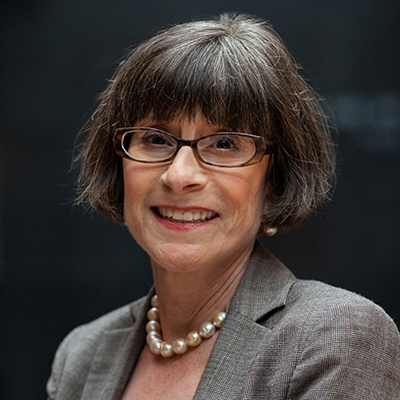
How do we make history matter to people who did not live it? Jonah Platt, actor and host of “Being Jewish with Jonah Platt,” joins Sara Bloomfield, longtime director of the United States Holocaust Memorial Museum, for a vital conversation about the future of Holocaust memory. As the generation of survivors passes away and firsthand testimony becomes history, the responsibility of remembrance shifts to those who come after. Together, Platt and Bloomfield explore how we carry these stories forward, how we reach generations increasingly distant from the Holocaust, and why the act of remembering is not only about preserving the past– it is about shaping the choices we make in the present.
Thursday, January 7 • 7:00 PM
HISTORY AS TEACHER
KEN BURNS and DANIEL MENDELSOHN with historian DR. REBECCA ERBELDING
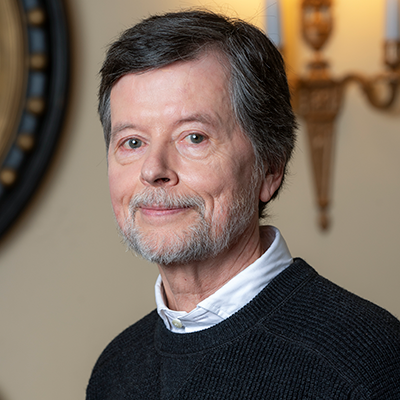
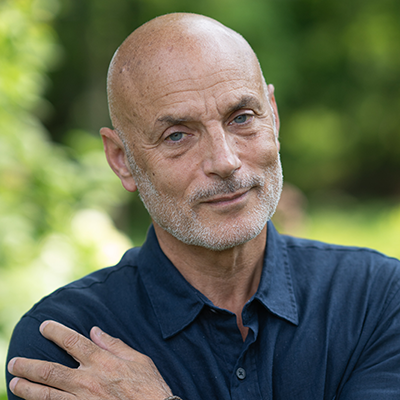
How do we tell the truth about the past without allowing it to become merely the past? Daniel Mendelsohn, acclaimed author of The Lost: A Search for Six of Six Million, joins legendary filmmaker Ken Burns and USHMM historian Dr. Rebecca Erbelding for a conversation about history, memory, and the power of storytelling. Moving from archival evidence and family testimony to documentary film and the Broadway stage, they examine how the Holocaust is retold for each new generation– and the profound responsibility storytellers assume when they turn history into narrative. At its heart is the question that gives history its urgency: What can the past teach us about how we choose to live now?